

Find the right season for your Athens adventure
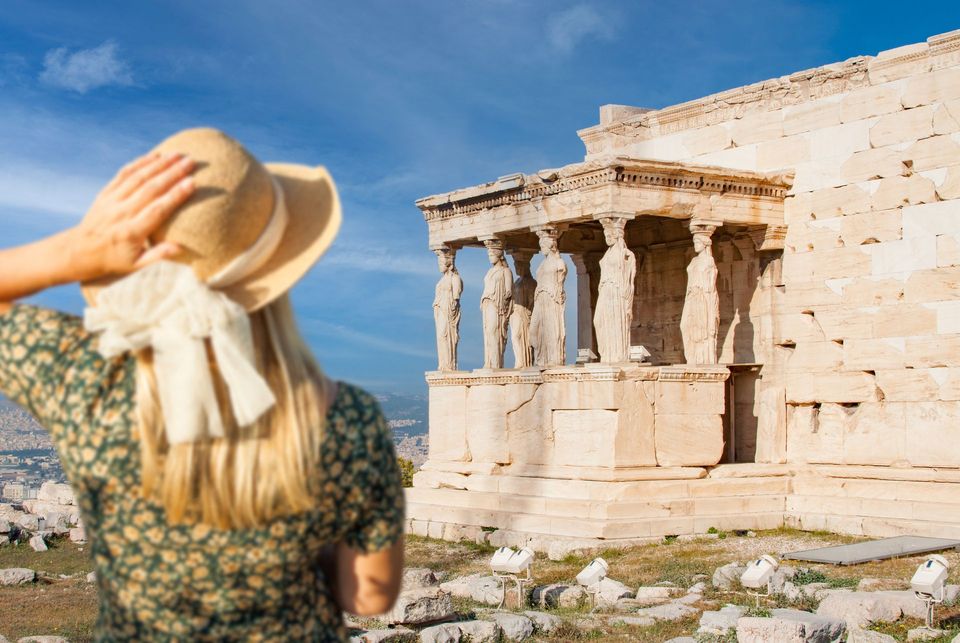
Athens has a warm Mediterranean climate: long, dry, hot summers and mild, changeable winters. Knowing what each season brings helps you choose when to come and how to plan your days. The temperatures below are long-term averages from the National Observatory of Athens; always check the forecast shortly before you travel.
Spring (March to May)
Spring is a lovely time to visit. Typical daytime highs climb from about 16°C (61°F) in March to about 25°C (77°F) in May, the hills turn green and the city’s gardens bloom. It is comfortable weather for the Acropolis, the National Garden and long walks through the old neighbourhoods, and it is generally quieter than high summer.
Summer (June to August)
Summer is hot, sunny and lively. Average highs are around 30–33°C (86–91°F), and heatwaves can push temperatures above 40°C (104°F). On the hottest days the Ministry of Culture has closed the Acropolis and other archaeological sites in central Athens during the middle of the day — in July 2025, for example, from 12:00 to 17:00 — so plan sightseeing for the early morning or late afternoon and check for announcements before you go. Drink plenty of water, seek shade at midday and save the hottest hours for a swim on the Athens Riviera, a museum or a long lunch.
Summer is also the season for days at sea. Browse our cruises from Athens to see which sailings are running on your dates.
Autumn (September to November)
September still feels like summer, with average highs around 29°C (84°F); by November they are closer to 19°C (66°F). The softer light and easing crowds make autumn a favourite for walking Plaka and Monastiraki and for unhurried museum visits. Rain becomes more frequent from October, and November is one of the wetter months, so pack a light umbrella.
Winter (December to February)
Winter in Athens is mild by European standards. Typical daytime highs are 13–15°C (55–59°F) and nights around 6–8°C (43–46°F). December is usually the wettest month, yet on average only around five to seven days a month in winter see more than 1 mm of rain. The city is calmer, museums are a pleasure to explore, and tavernas, festive lights and the Christmas season add their own warmth. See what runs in the cooler months on our Greece in winter page.
So when should you go?
It depends on what you love. Spring and autumn offer comfortable temperatures for sightseeing and long walks. Summer is for sunshine, swimming and warm evenings on rooftop terraces, as long as you plan around the midday heat. Winter suits travellers who enjoy a quieter, more local Athens and do not mind the odd rainy day.
What to pack
Comfortable walking shoes are essential in every season — marble paths and old streets can be uneven and slippery. In summer, bring light clothing, sunscreen, a hat and a refillable water bottle. In spring, autumn and winter, layers and a light waterproof will keep you comfortable from bright mornings to cooler evenings.
Whatever the season, Athens rewards you with history, good food and warm hospitality. Choose the weather that suits you, and let the city do the rest.
Ready for a day out?
Explore our current experiences More travel stories
Visiting between November and March? See what runs in winter